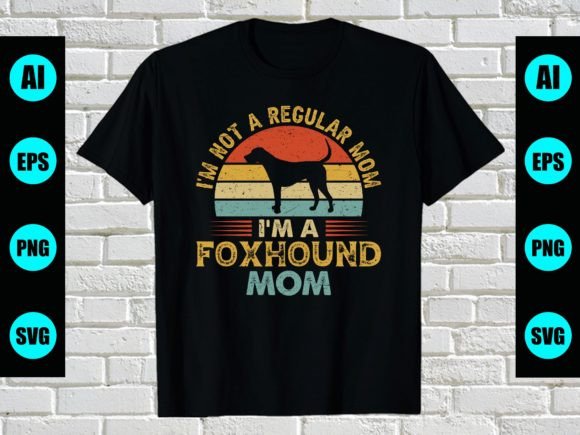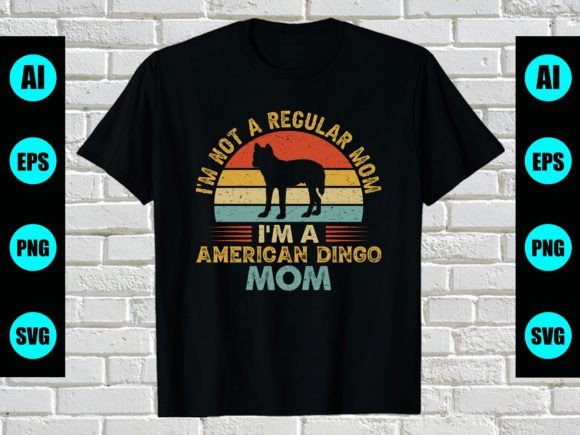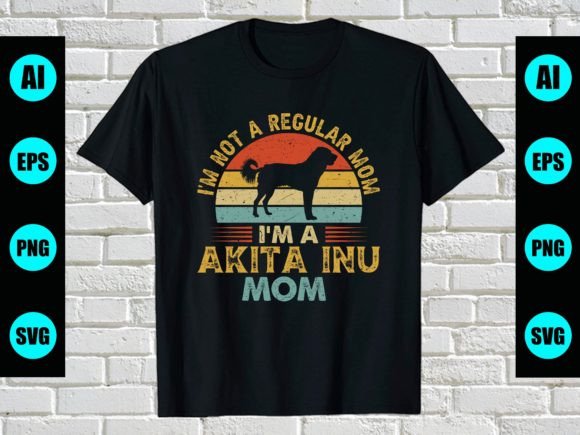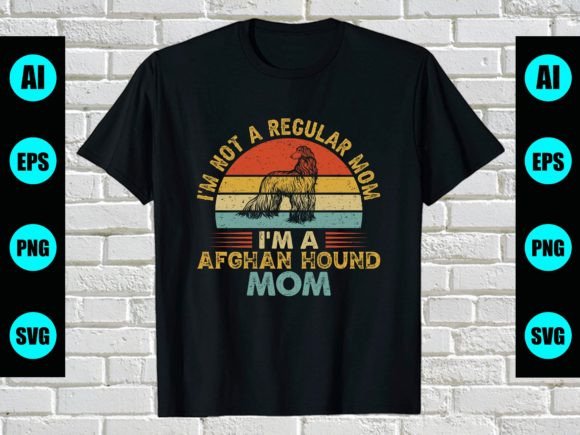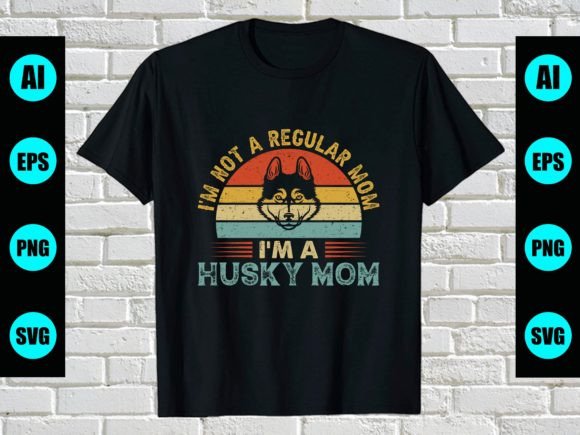
German Husky Dog Mom Vintage T-Shirt Graphics and Print Templates
As a brand designer who has spent years helping local businesses establish their visual identity, I approach every new asset with a mix of curiosity and critical evaluation. When I first encountered the German Husky Dog Mom Vintage T-Shirt design, my initial reaction was not just about the image itself, but about the emotional resonance it carries for specific niches. This is not merely a clipart illustration; it is a mood board in a single file. The vintage aesthetic suggests nostalgia, warmth, and authenticity—qualities that are increasingly sought after by modern consumers who value storytelling over sterile minimalism.
The design immediately evokes a sense of playful sophistication. It feels handmade yet polished, suitable for brands that want to appear approachable without sacrificing professionalism. For a local business owner, whether you run a boutique pet store, a cozy coffee shop with a community vibe, or a handmade soap brand targeting dog lovers, this graphic offers a strong starting point for your visual narrative. It bridges the gap between personal passion and commercial viability, making it an excellent candidate for small business branding projects where personality is key.
Evaluating the Visual Mood and Brand Personality
The "vintage" descriptor in the title is crucial. In the current market, vintage styles signal quality and timelessness. The German Husky motif adds a layer of rugged charm mixed with maternal affection. This combination creates a brand personality that is bold, loyal, and caring. It works exceptionally well for businesses that want to connect on an emotional level. Imagine this design on the packaging of artisanal treats for pets, or perhaps as a decorative element on tote bags sold at a farmers market. The visual hierarchy here is clear: the husky is the hero, and the vintage treatment softens the edges, making it inviting rather than aggressive.
This asset fits naturally into a rustic, feminine, or playful brand palette. It does not scream corporate uniformity; instead, it whispers individuality. For creative entrepreneurs looking to differentiate themselves in crowded markets, such as home decor shops or seasonal product campaigns, this graphic provides a unique anchor. It suggests that the brand cares about details and has a distinct voice. When integrated correctly, it enhances customer trust by showing that the business is built on genuine interests and passions.
Practical Applications for Local Business Packaging
In my experience, the true test of a design asset is how it performs in real-world applications. The German Husky Dog Mom Vintage T-Shirt file set includes AI, EPS, SVG, and PNG formats, which is a significant advantage for professional workflows. Let’s look at how these files translate to physical and digital touchpoints.
For product labels and packaging design, the vector files (AI, EPS, SVG) are indispensable. You can scale the husky illustration up for large banner graphics or down for tiny hang tags without losing resolution. I often recommend using this graphic as a decorative accent on kraft paper boxes for handmade goods. It adds a pop of character that plain text cannot achieve. Similarly, for thank-you cards included in shipments, this design can serve as the central focal point, reinforcing brand recognition every time a customer opens their package.
In the realm of promotional materials, the versatility shines. Use the PNG version for quick social media graphics to announce new products or seasonal sales. The transparent background allows you to overlay the husky onto various backgrounds, testing different color combinations to see what resonates with your audience. For website banners or digital ads, the high-resolution nature of the asset ensures crisp display across devices. It helps create a cohesive brand identity across all platforms, from the physical shelf to the Instagram feed.
Strategic Integration into Marketing Visuals
A strong brand identity relies on consistency. By incorporating this graphic into your marketing visuals, you create a recognizable pattern that customers will associate with your business. Consider using it in editorial design contexts, such as blog headers or newsletter signatures, to add a human touch to your communications. It also works beautifully as part of a larger collage layout for flyers or posters advertising local events.
When designing product mockups, placing this graphic on apparel or accessories can help visualize how your brand might expand into merchandise. Even if you do not sell clothing, seeing the design applied to a t-shirt mockup can inform decisions about other branded items like stickers, mugs, or tote bags. This forward-thinking approach to design assets helps small business owners plan their growth strategy visually before committing to production costs.
Where to Exercise Caution
While this asset is versatile, it is not a universal solution. There are scenarios where its use requires careful consideration. Avoid using this graphic for formal corporate branding or luxury minimalist brands where subtlety and restraint are paramount. The vintage style may clash with sleek, modern aesthetics that rely on negative space and clean lines.
Additionally, be mindful of scale. On very small labels or ingredient-heavy layouts, intricate vintage details may become muddy when printed at a tiny size. Always preview the design at actual print dimensions to ensure legibility. Furthermore, avoid placing it against low-contrast backgrounds where the colors might get lost. If your brand palette is extremely muted, you may need to adjust the opacity or add a solid backing to make the graphic stand out. Finally, remember that this is a decorative element; it should never compete with critical information like pricing, legal disclaimers, or contact details.
Essential Designer Notes for Implementation
To get the most out of this graphic design asset, follow these practical steps:
- Test on Mockups: Before finalizing any print runs, apply the design to realistic packaging mockups. This helps you gauge how the colors interact with different materials like cardboard, glass, or fabric.
- Check Black and White Usage: Convert the design to grayscale to ensure it holds up in monochrome prints, such as black-and-white receipts or simple faxed documents.
- Font Pairing: Experiment with typography alongside the graphic. A serif font might enhance the vintage feel, while a sans-serif font could modernize it. Handwritten fonts may complement the playful nature, but ensure they do not clutter the composition.
- Vector Editability: Utilize the SVG or AI files to tweak colors to match your exact brand hex codes. This ensures seamless integration with your existing logo design and brand identity guidelines.
- Commercial Licensing: Always confirm the commercial license terms. Ensure you have the right to use this asset for physical product sales and client work to avoid legal complications.
Ultimately, the German Husky Dog Mom Vintage T-Shirt is more than just a graphic; it is a tool for building connection. By thoughtfully integrating this asset into your packaging design, social media graphics, and overall marketing visuals, you can elevate your local business presence. It offers a blend of charm and professionalism that appeals to a wide audience, helping you create a memorable brand experience that stands out in both digital and physical spaces.